World Stroke Day: 29 October
World Stroke Day takes place every year on 29 October to raise awareness of stroke: how to recognise it, why fast treatment matters, and how people recover afterwards. This guide covers the signs you must act on, how a stroke can affect movement, and how home visit physiotherapy can support recovery after hospital.
Every recovery is different. How much movement returns, and how quickly, depends on the person and on the stroke.
Act FAST: The Signs of a Stroke
A stroke is a medical emergency. Call 999 or 112 immediately if you see any of these signs, even if they seem mild or go away:
Other sudden signs can include loss of vision, severe headache or sudden loss of balance. Do not wait to see if it improves, and do not call a physiotherapy clinic first. Every minute matters.
How a Stroke Can Affect Movement
Depending on the part of the brain affected, a stroke can cause:
Rehabilitation usually starts in hospital as soon as possible after a stroke. It often continues for weeks and months after you go home.
How Physiotherapy Can Help
Physiotherapy after a stroke is built around you and your goals. A physiotherapist assesses how you move, and then works with you to build a plan that may include:
Goals usually start simple and build up over time. We cannot promise a particular outcome, and progress varies from person to person.
Why Home Visit Physiotherapy?
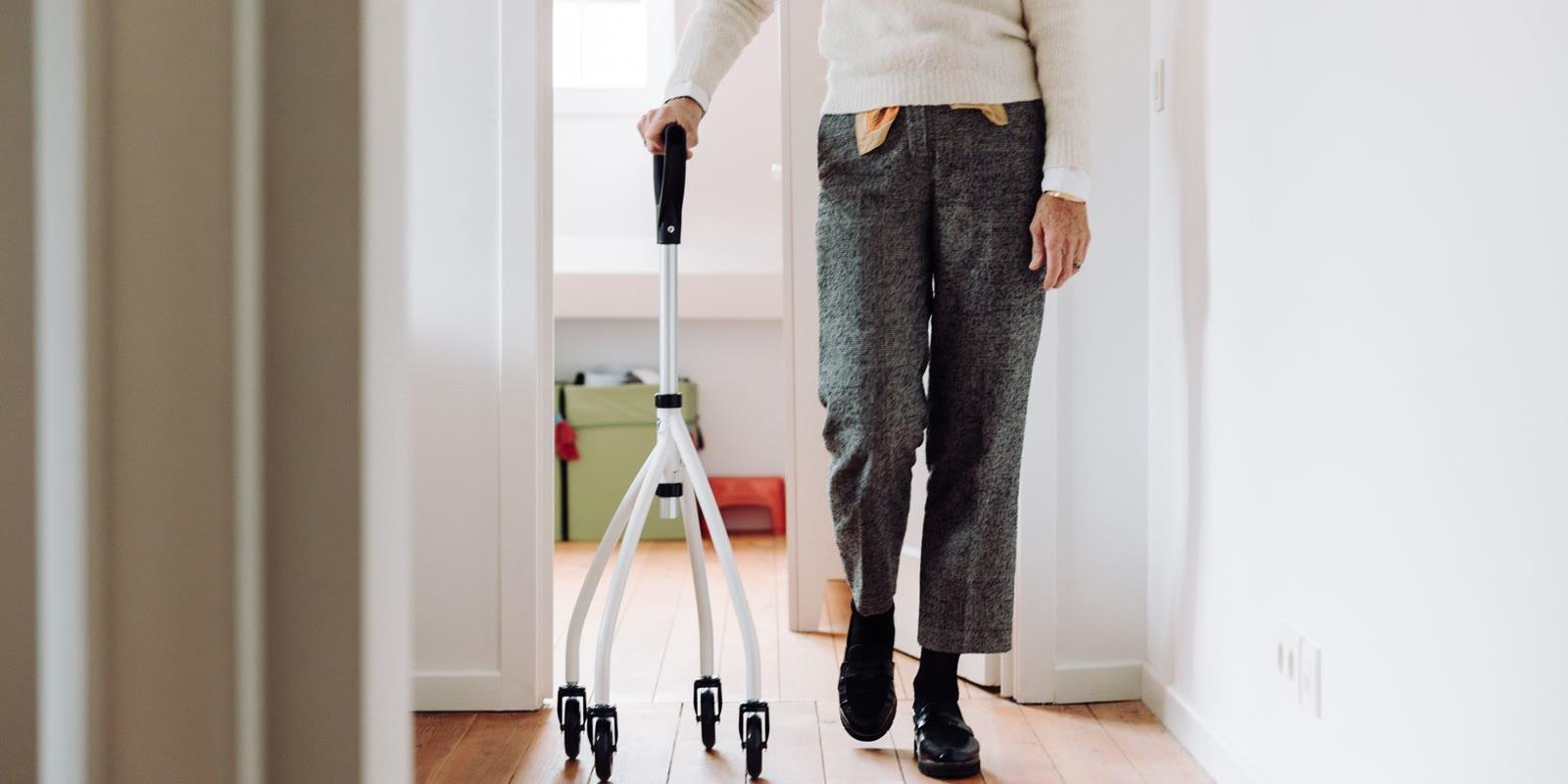
Practising in your own home means practising the things you actually do. At a home visit, your physiotherapist can see:
This helps us tailor the programme to your daily life, and show you and your family safe ways to practise between visits.
Supporting Family and Carers
Family members and carers are welcome to be part of the visit. They can learn:
Please follow the advice of your stroke team and physiotherapist. Do not try exercises that have not been recommended for you. If there is new weakness, confusion, trouble speaking or any sudden change, call 999 or 112.
Who Might Benefit From a Home Visit?
Home visit physiotherapy may suit you if you:
Working With Your Hospital and GP Team
After a stroke, your hospital team and GP arrange your rehabilitation, which in some cases includes therapy at home through the HSE. Private home visit physiotherapy can be an addition to that care, not a replacement. Tell your physiotherapist what your stroke team has advised, and bring any discharge letters or reports.
Home Visits With 365 Physiotherapy
Our neurological physiotherapy home visit service supports people recovering from stroke, as well as other neurological conditions. We visit homes across North Dublin and parts of South Dublin, including nursing homes and day-care settings. Please give at least 48 hours' notice where possible. A female physiotherapist is available for patients who prefer one. No GP referral is needed.
Frequently Asked Questions
Do I need a GP referral for home visit physiotherapy?
No. You can contact us directly.
Can my family be there?
Yes. We encourage family members and carers to take part.
How soon after a stroke can I start?
Rehabilitation usually starts in hospital. Ask your stroke team when it is safe to add home visit physiotherapy.
How long does recovery take?
It varies a great deal. Your physiotherapist will discuss realistic goals with you after the assessment.
Book a Home Visit
If you or someone you care for is recovering from a stroke and would like to ask about a home visit, we are happy to talk it through. Evening and weekend appointments available at our clinics, and home visits by arrangement, with at least 48 hours' notice where possible.
📞 +353 83 098 5073
☎️ +353 1 513 0603
📧 contact@365physiotherapy.ie
Learn more about our Neurological Physiotherapy and Rehabilitation service.