
Back & Nerve Pain

Sciatica: Symptoms, Causes & Treatment

10 August 2026 - By 365 Physiotherapy Dublin

Sciatica: Symptoms, Causes & Treatment

What Is Sciatica?


Sciatica refers to pain caused by irritation or compression of the sciatic nerve, which runs from the lower back through the buttock and down the leg. It is a set of symptoms rather than a diagnosis in itself — physiotherapy focuses on identifying and treating the underlying cause.


Common Symptoms


  • Pain radiating from the lower back or buttock down one leg
  • Numbness, tingling, or a "pins and needles" sensation
  • Pain that worsens with sitting, coughing or sneezing
  • Weakness in the leg or foot in some cases
  • Symptoms usually affecting one side only


  • Common Causes


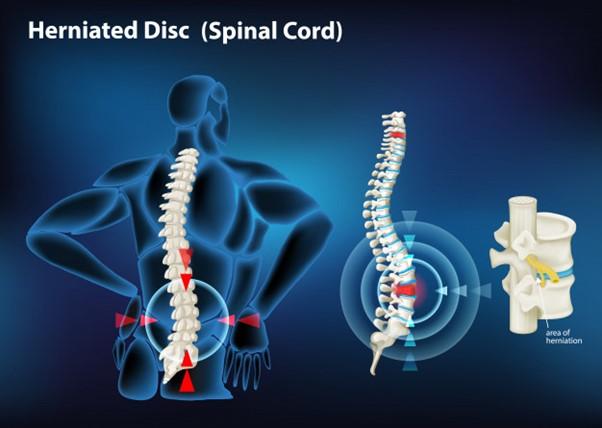
  • Disc bulge or herniation pressing on a nerve root
  • Piriformis syndrome — a deep buttock muscle irritating the sciatic nerve
  • Spinal stenosis — narrowing of space around the nerves, more common with age
  • Degenerative changes in the lower spine

  • A physiotherapy assessment helps identify which of these is most likely contributing to your symptoms.


    ⚠️ When To Seek Urgent Medical Care


    While most sciatica is manageable with conservative treatment, seek emergency medical attention immediately if you experience:


  • Numbness in the groin or inner thighs ("saddle" area)
  • Loss of bladder or bowel control
  • Symptoms affecting both legs with significant weakness

  • These can be signs of a rare but serious condition (cauda equina syndrome) requiring immediate hospital assessment.


    How Physiotherapy Helps


    Our senior physiotherapists at 365 Physiotherapy typically use:


  • Directional preference exercises (e.g. McKenzie-based approaches) to centralise and reduce leg pain
  • Nerve mobilisation techniques to improve nerve gliding
  • Core and lumbar stability exercises to support the spine
  • Manual therapy to reduce muscle guarding and improve movement
  • Posture and movement education to reduce aggravating positions


  • What To Expect


    Many people see meaningful improvement in symptoms within 4 to 6 weeks of starting appropriate treatment, though this varies depending on the underlying cause and how long symptoms have been present. Your physiotherapist will track your progress and adjust your plan accordingly.


    Book Your Assessment


    📍 Santry Clinic — 256 Swords Road, Dublin 9

    📍 Swords Clinic — Applewood Close, Co. Dublin


    📞 +353 83 098 5073

    ☎️ +353 1 513 0603

    📧 contact@365physiotherapy.ie


    Ready to Book Your Appointment?

    Senior physiotherapists in Santry and Swords. Evening and weekend appointments. No GP referral needed.