
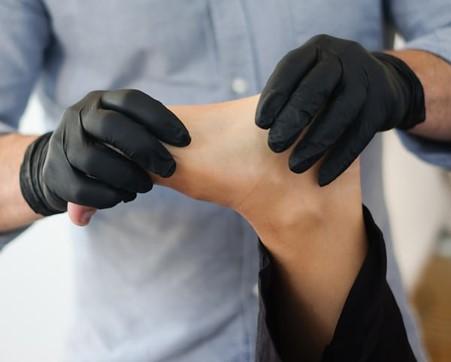
Why the Taper Can Feel Uncomfortable
The taper can be an unexpectedly stressful period for runners. Training volume drops, recovery becomes a bigger priority, and every small ache can suddenly feel more noticeable. At the same time, runners sometimes introduce last-minute changes — new shoes, extra stretching, gym sessions or altered running routes — that can create unnecessary load right before race day.
Common Running Injuries During Marathon Taper
Is It a Niggle or an Injury?
Not every ache during taper means you need to stop running. Mild muscle soreness or stiffness that settles as you warm up, and doesn't affect your running mechanics, may be manageable with some load modification.
Pain that becomes progressively worse, changes your stride, remains significant after running, causes swelling, or is becoming more localised deserves more attention. If you are unsure whether to continue training, an individual assessment is more useful than trying to self-diagnose.
What to Do at 3 Weeks, 2 Weeks and Race Week
3 weeks before race day
2 weeks before race day
Race week
Ideally, race in footwear you have already tested successfully on longer training runs. Avoid making a major footwear change immediately before race day.
When Should You Stop Running?
Don't try to run through these symptoms — seek prompt assessment if you develop:
When Should You See a Physiotherapist Before a Marathon?
Running the Dublin Marathon? Don't wait until race week to get a persistent niggle assessed. A pre-race assessment can help determine whether the problem is responding to load modification, whether you need to adjust your final sessions, and what symptoms should influence your race-day decision. Our physiotherapists in Santry and Swords see runners through exactly this decision every taper season.
How Physiotherapy Can Help Before Race Day
Marathon Taper Injury FAQs
Can I run a marathon with a minor injury?
Sometimes, depending on the injury. Mild, non-progressive discomfort that doesn't change your mechanics may be manageable, but anything worsening or affecting your stride should be assessed before race day.
Should I stop running if I develop pain during taper?
Not necessarily — but pain that is sharp, localised, worsening, or changes how you run is a signal to get it checked rather than push through.
How long before a marathon should I see a physiotherapist?
As soon as a niggle appears rather than waiting for race week — the earlier it's assessed, the more options there are to manage it before race day.
Should I get a massage during marathon taper?
If it's already part of your regular routine, that's generally fine — timing and intensity matter more than whether to have one at all. Avoid trying massage for the first time right before the race.
Is it safe to change running shoes before a marathon?
Best to race in shoes you've already tested on longer training runs. Avoid switching to unfamiliar footwear right before race day.
Can physiotherapy help if I develop a niggle one week before the marathon?
Yes — even a short window before race day can be enough for assessment, targeted treatment, and taping or load-management advice to help you start the race in better shape.
Book Your Pre-Race Assessment
📍 Santry Clinic — 256 Swords Road, Dublin 9, D09 RX73
📍 Swords Clinic — Applewood Close, Co. Dublin, K67 Y5F2
📞 +353 83 098 5073
☎️ +353 1 513 0603
📧 contact@365physiotherapy.ie
Learn more about our Sports Injury Rehabilitation service.