What Is Dry Needling?
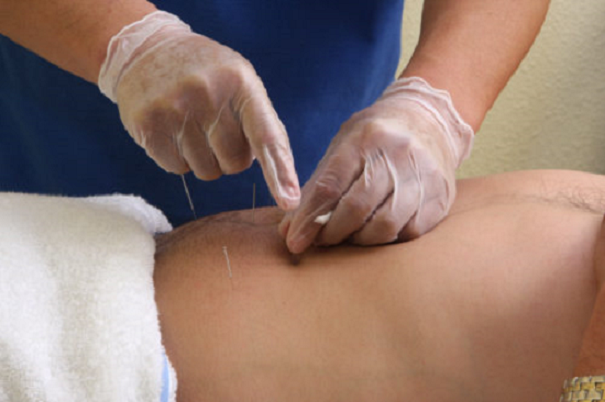
Dry needling is a technique used by physiotherapists to help relieve muscle pain and improve movement. It involves inserting thin, sterile needles into trigger points — tight bands or "knots" within a muscle — to help release tension, encourage blood flow, and reduce discomfort. It's one of the treatment techniques we offer at 365 Physiotherapy in Santry and Swords, often alongside manual therapy and exercise-based rehab.
Dry Needling vs Acupuncture: What's the Difference?
Although both use thin needles, they are based on different principles:
Your physiotherapist selects needling points based on a physical assessment of your muscles and movement, not energy meridians.
What Conditions Can It Help With?
Dry needling is commonly used alongside other physiotherapy treatment for:
It's usually used as one part of a broader treatment plan — combined with manual therapy, targeted exercise and movement retraining — rather than as a standalone fix.
What Does It Feel Like?
Most people feel a brief, dull ache or a small twitch when the needle reaches a trigger point, followed by a sensation of the muscle releasing. Mild soreness for a day or so afterward — similar to how a muscle feels after a hard workout — is common and usually settles quickly.
Is Dry Needling Right For You?
Dry needling isn't suitable for everyone — your physiotherapist will check your history and the area being treated before deciding if it's appropriate, and will always explain the process and get your consent first. It's often most effective for people with:
Book a Dry Needling Assessment
📍 Santry Clinic — 256 Swords Road, Dublin 9
📍 Swords Clinic — Applewood Close, Co. Dublin
📞 +353 83 098 5073
☎️ +353 1 513 0603
📧 contact@365physiotherapy.ie
Learn more about our Dry Needling Therapy service.