
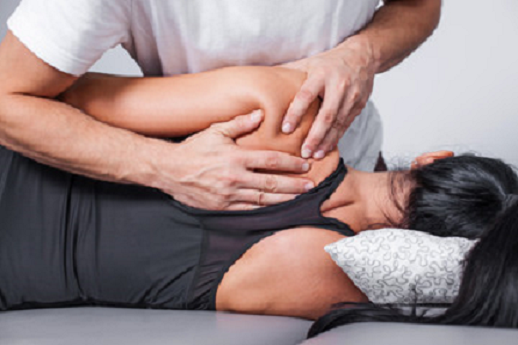
Short Turnarounds, High Stakes
With Dublin's club championships now entering their knockout stages, short turnarounds between fixtures leave little room to sit a niggle out. How you recover and manage an existing problem between games can be just as important as how you prepare for the next one — ignoring it is one way a minor issue becomes harder to manage, potentially affecting training, performance and your availability for the next match.
Common Problems We See in GAA Players
What to Do After Your Game
Within the first 24 hours
Over the following 24–48 hours
Pay attention to whether symptoms are settling, staying the same, or getting worse. Pain that becomes more localised, increasingly painful, or starts affecting your sprinting, kicking or striking deserves assessment — don't assume it will simply resolve on its own before the next fixture.
Should You Play Through a GAA Niggle?
Before your next game, ask yourself:
If pain is changing the way you move, or preventing you from performing key movements normally, don't rely on strapping or pain relief alone to make the call. An individual assessment can help determine what is actually going on and what level of activity is appropriate.
When Strapping Isn't Enough
Strapping can sometimes support an injured area, but it shouldn't be used to hide a problem that needs assessment. Feeling better after pain relief doesn't necessarily mean the underlying injury has recovered. If you find yourself significantly altering how you move, relying on medication just to get through training, or repeatedly strapping the same area to participate, it's worth getting the problem properly assessed.
Head Injuries and Concussion: Don't Play Through These
A head injury should never be treated like an ordinary muscle or joint niggle. The GAA's official guidance is "Recognise and Remove": if there is any suspicion of concussion, the player must be removed from play immediately and cannot return to action the same day, under any circumstances. Before returning to play, a player must be medically evaluated, monitored for symptoms, and receive medical approval before returning to full contact. Never use the next fixture as a reason to downplay possible concussion symptoms or push for an early return.
When to See a Physiotherapist
Arrange an assessment if you have:
How 365 Physiotherapy Can Help During Championship Season
GAA Injury FAQs
Can I play GAA with a hamstring niggle?
It depends on severity — mild tightness that doesn't affect your sprinting may be manageable, but pain that changes your movement or keeps recurring needs assessment before your next game.
How long should I rest after a GAA match?
There's no fixed number of days — focus on how symptoms respond in the 24–48 hours after the game rather than a set rest period.
Should I train between championship games if I'm sore?
Generally yes, if the soreness is mild and settling — but scale intensity to how the area actually responds, not to the training calendar.
Can strapping help me play with an ankle injury?
It can provide some support, but shouldn't be used as a substitute for assessing whether the injury is significant enough to need more than strapping.
When should I see a physio for a GAA injury?
As soon as a niggle affects your movement, sprinting or sport-specific actions, or if it's recurring — earlier assessment gives more options before your next fixture.
Can I play GAA after a concussion?
Not on the same day under any circumstances. Follow the GAA's official "Recognise and Remove" guidance: medical evaluation and approval are required before any return to training or matches.
Book Your Sports Physio Appointment
📍 Santry Clinic — 256 Swords Road, Dublin 9, D09 RX73
📍 Swords Clinic — Applewood Close, Co. Dublin, K67 Y5F2
📞 +353 83 098 5073
☎️ +353 1 513 0603
📧 contact@365physiotherapy.ie
Learn more about our Sports Injury Rehabilitation service.